
.svg)

.svg)

Trends that began in response to pandemic lockdowns created some new shopping behaviors, but mounting evidence suggests that American consumers are hungry for a return to third spaces and in-person interactions, especially in retail.

According to The Harvard Business Review, “The past seven years have arguably been the most tumultuous in recent retail history: Covid, major technology changes, tariffs, and higher interest rates have reshaped buying and selling in the sector. But the tumult has also clarified realities.” Among those realities are the lowest shopping center vacancy rate since 2004 – just 5.4% – and the rise of the Gen Z brick and mortar shopper.
Those data points, when added to the U.S. Census Bureau data cited below, may signal a shift in American shopping habits.
"[S]tore replacement by e-commerce and direct-to-consumer (DTC) models – has stalled… e-commerce as a portion of U.S. retail sales in 2025 were 16.4%, barely above the 16.3% it reached during the second quarter of 2020 (maximum lockdown conditions during the pandemic), and its annual increases in each of the past four years have been their lowest since the Great Recession of 2008-2009.”
What does this all mean? It could mean adapting physical retail locations to survive and thrive in our e-commerce world may be less of a challenge for vendors across the U.S. than previously thought.
It seems we’re approaching a reset in retail in favor of brick and mortar, in-person shopping experiences, which could be lucrative for commercial real estate owners, management companies, and, of course, retailers themselves.
With an apparent trend toward physical spaces, the fundamentals of assessing, planning, executing, and optimizing retail space remain constant. Whether you’re a seasoned retail or QSR pro, or a new entrepreneur looking to make a mark, what follows are the foundational elements to keep in mind as you prepare for the world of omnichannel retail.
Due Diligence for Multi-Generational and Second Gen Retail Spaces
Second generation spaces can be a big win for retailers because they may already have plumbing, HVAC, restrooms, kitchens, or other costly systems in place, which can lower buildout time and help a tenant open faster. However, the very benefits that make adapting a second-gen space attractive can also hide problems. Older systems may need updating or repair, existing layouts may not fit brand guidelines, and past use cases may have created code, health, or environmental issues. So, it’s vital to have accurate existing conditions documentation on every part of the structure, aboveground and below, before planning the fit-out.
The affordable multi-gen space can pile on costs once repairs, permits, and upgrades are counted. That’s why it pays to fully assess any second-gen space’s structure, MEP/HVAC, amenities, tooling, utilities and tie-ins with as much care as you assess foot traffic patterns and speed to market.
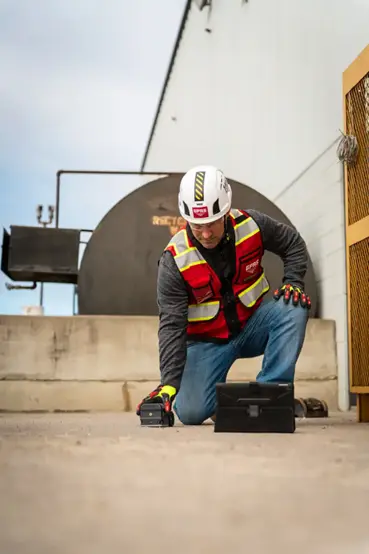
A strong due diligence plan should check structure, roof, floor loads, grease traps and clean-outs, electrical service, plumbing, HVAC, ADA access, fire safety, egress, zoning, signage rights, and parking. Adaptive reuse guidance stresses that teams should assess what already exists, decide what must change, and what barriers could stop the intended use. Retail spaces that serve the public must also plan for accessible parking and routes, since ADA rules apply to businesses open to customers. The goal is simple: know the risks before signing the lease, buying the asset, or setting an opening date.
Curbside Pickups, Signage, and Drive-Thru Expansions
Curbside pick-up lanes, signage, and drive-thru design are now core retail tools, not extra features, and not just limited to restaurants. Major retailers from grocers to specialty stores now incorporate order pick-up lanes in their operations.
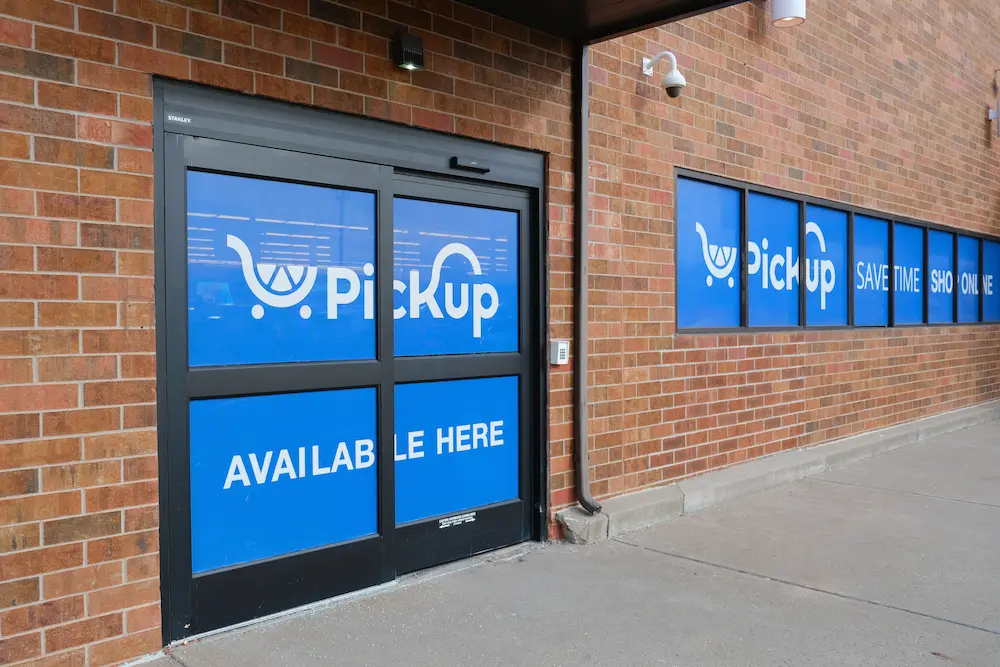
Post-pandemic, according to The National Restaurant Association, nearly 75% of restaurant traffic is off-premises, with many limited-service operators reporting that off-premises sales are significantly larger than in 2019. Customers also care about speed, service, and value, so a confusing pickup or drive-thru lane can hurt sales fast. For QSRs, this can mean lost cars in line. For retailers, it can mean missed pickups, unsafe parking lots, and poor reviews.
Traffic flow, pedestrian safety, employee walking paths, ADA spaces, order handoff zones, queue length, menu boards, lighting, and weather protection are just some of the items that must be taken into account when designing curbside and drive-thru spaces. Curbside programs may also affect leases because dedicated parking, common areas, site plans, insurance, and signage often need landlord approval. Accessible parking must stay on the shortest accessible route to the entrance, with proper signs, slopes, access aisles, and van-accessible spaces where required. Good signage should tell drivers where to go before they feel lost.
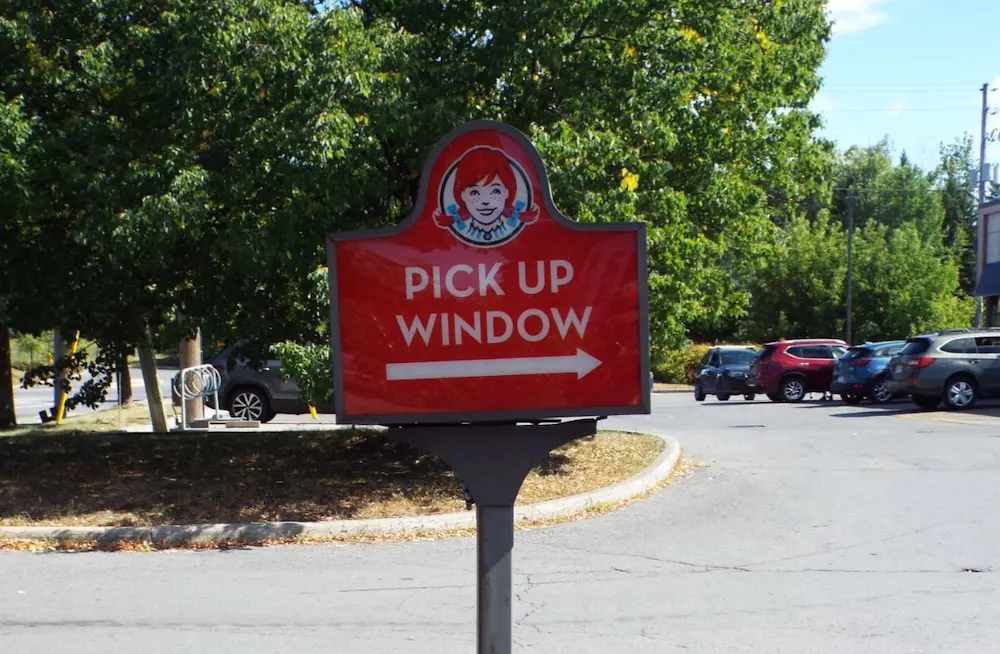
The best plans keep cars moving, protect people on foot, and make pickup feel simple to lock-in repeat business.
Tenant Improvement & Adaptive Reuse
Adaptive reuse and tenant improvement (TI) are both vital because they turn a leased box into a working store, restaurant, or service space. For retail tenants, TI often covers items like flooring, lighting, walls, HVAC, plumbing, storefront work, and other lasting improvements. For QSRs, buildouts can be more complex because kitchens, hoods, grease systems, drive-thru equipment, and power loads can raise costs. TI allowances are also a major lease negotiation point because they affect rent, cash needs, and the final deal.
Adaptive reuse has gained significant traction post-2022, as retail and office tenancy rates weakened, allowing enterprising architects and developers a chance to reimagine spaces. This trend has led to a solid increase in mixed-use properties in urban areas that marry residential with retail and restaurant tenancies. Reimagining these spaces does, however, require careful planning to execute within budget constraints.

New Construction Retail Rollouts
New construction gives CRE firms, solo retailers, and QSRs the most control. It allows you to plan the building, site flow, drive-thru, parking, signage, utilities, kitchen, pick-up areas, and customer path from the start. Including due diligence in a new construction real estate strategy can shape an organization’s revenue, operations, and brand value for years. It also helps retailers build a consistent customer experience across many markets.
The downside, of course, is that new builds can take longer and cost more than second-gen spaces. So, planning must be tight, which further reinforces the need to have all existing conditions information in hand before making decisions. Confirmation of zoning, entitlements, utility locations and capacity, stormwater needs, access points, traffic counts, delivery routes, ADA parking, fire access, and local sign rules are just a few of the hundreds of project points that must be considered. For instance, according to The U.S. Access Board, ADA guidance says new parking facilities must include accessible spaces, access aisles, proper slopes, signs, and van-accessible spaces based on the lot size. In the QSR world, off-premises demand means the site should support takeout, delivery, curbside, and drive-thru without creating unsafe conflicts. A good rollout plan uses repeatable standards, yet remains adaptable for each store to the local parcel, customer base, and approval processes.
Multi-Site Solutions
For businesses with multiple locations, a multi-site portfolio plan ensures every location/franchise operates the same way while tailoring themselves to local market interests/concerns. Customers have come to expect consistent brand recognition, easy access, and smooth service at every location. QSR real estate choices, in particular, can impact sales, speed, labor costs, and long-term brand value. So, site selection and planning must be disciplined, not rushed.

When planning or updating across a retail portfolio, repeatable standards make layout, signage, back-of-house areas, ADA access, pickup zones, and brand finishes easier. However, each site still needs its own due diligence. A small urban store, a suburban drive-thru, and a second-gen renovation may need different service paths, buildout costs, and utilities. Off-premises dining is now a major part of restaurant traffic, so QSR and retail sites must also support takeout, curbside, and delivery without hurting walk-in customers.
CRE (commercial real estate) teams must consider traffic patterns, visibility, parking, utilities, zoning, delivery access, and a nearby customer base before choosing sites. CBRE, the most prominent CRE management firm and consultancy, notes that strong retail outcomes depend on data, market insight, and expert review across many property types.
GPRS offers a unique solution for multi-site portfolio retail management in SiteMap®, our proprietary cloud-based platform that can house all your GPRS-collected data, and field to finish solutions like utility maps, NASSCO MACP, LACP, and PACP reports, CAD/BIM deliverables, and more.
Retail Market Outlook – A “Critical Moment” or a Brick & Mortar Opportunity?
Tariffs, AI, and a surge in acquisitions are just a few of the market trends retailers have to factor into their planning in the coming years. But it’s not all bad news, especially for brands willing to differentiate themselves with exceptional value and/or services, and the marked rise in both mixed-use projects and B malls, signaling a potential surge in brick-and-mortar retailing.
For instance, both Amazon and Costco saw double-digit retail increases in November of 2025, according to Navy Federal Credit Union as reported in Retail Dive, and Fitch expects that market share gains will favor “retailers with a strong set of assets, including robust supply chain infrastructure, a well-maintained store network and e-commerce platforms, healthy cash flow generation to invest in new capabilities, and clear differentiation that inspires customer loyalty.”
According to Price Waterhouse Cooper, we are at a “critical moment for business leaders to reevaluate their portfolios, doubling down on category strengths, accelerating innovation, and potentially exiting lines where competitive edge has faded.”
PwC cites trends regarding private equity’s caution in taking on new investment, and the fact that international buyers think a distressed retail market could smooth their paths to the U.S. consumer.
Service providers like AlixPartners agree, believing that the watchwords for 2026 and beyond are uncertainty and disruption in what they call the “broadly static” retail landscape. They cite the potential “eureka moment” of AI, the push/pull of e-commerce v. brick and mortar stores, the economic impacts of world events, and the critical importance of capital conditions on ROI and its potential effects on IPCo and OpCo models (Intellectual Property Company and Operating Company) for Mergers and Acquisitions.
All of this is in line with PitchBook’s prediction of a “K-shaped economy,” where the haves continue to outpace the have-nots. Forrester specifically expects a wave of bankruptcies among specialty retailers and those with high debt loads as they hit a “breaking point,” and urges stable household brand retailers to optimize their brick-and-mortar stores for unique customer experiences while aggressively pursuing omnichannel retailing, and debt reduction. One of the specific predictions Forrester’s Principal Analyst Sucharita Kodali makes is that “generous” return policies for online retailers will end abruptly, as AI tracks customer behavior, and all retailers strive to hang onto profit margins.
Whether you’re developing your first retail space, operating a chain, or managing a nationwide portfolio, GPRS Visualizes The Built World® to give you the accurate existing conditions information you need and makes it secure, shareable, and accessible for your teams.
What can we help you visualize?
Frequently Asked Questions
How, specifically, can GPRS help retail developers?
Our elite team of Project Managers are Subsurface Investigation Methodology (SIM) certified, which means each PM receives a minimum of 80 hours of classroom training and 320 hours of mentored field training in utility locating & mapping, concrete scanning, video pipe inspections for sanitary and storm sewer lines, pinpoint leak detection, and 2-4mm accurate reality capture. Our PMs can choose to specialize in one of the above disciplines, but they are all trained in every part of existing conditions data capture to provide the most accurate measurements and information available.
GPRS has maintained a less than 0.20% at-fault incident rate on well over one million utility locating and concrete scanning jobs, and we are the only national company that guarantees our concrete scanning work with the Green Box Guarantee.
You can learn more about how our suite of services can meet your specific retail needs by visiting our retail industry page for more information.
Can you explain how SiteMap® helps manage retail and QSR portfolios?
SiteMap is GPRS’ proprietary cloud-based GIS and data management platform. It is the delivery mechanism for all of your GPRS findings, including NASSCO WinCan video pipe inspection reports, RTK-located, interactive utility maps, CAD/BIM deliverables, walkthrough tours, 3D photogrammetry, and more. Every GPRS customer receives complementary SiteMap Personal access to view, print, share, and utilize their GPRS-captured site data 24/7 from anywhere. Additional access levels, including Project, Project 360, Pro, and Team, provide greater collaborative access and administrative permissions that put you in control of your site information from field to finish.
You can schedule a free demo of SiteMap, here.
How accurate are GPRS’ findings?
GPRS has maintained an at-fault incident rate of less than 0.2% over more than one million utility locating and concrete scanning jobs since 2017. We say we are in pursuit of 100% subsurface damage prevention, and our numbers prove our commitment to that mission.
That same accuracy is reflected in our PACP-coded video pipe inspection reporting, which includes pipe location, flow direction, depths, and pipe materials where available, and precisely captures and catalogues all pipe conditions, defects, and severity to NASSCO standards.
In reality capture, we utilize 3D LiDAR scanners and photogrammetry to achieve 2-4mm accurate raw measurements, with an average of 2-6mm accuracy in our CAD/BIM deliverables.


