
.svg)

.svg)

leak detection services
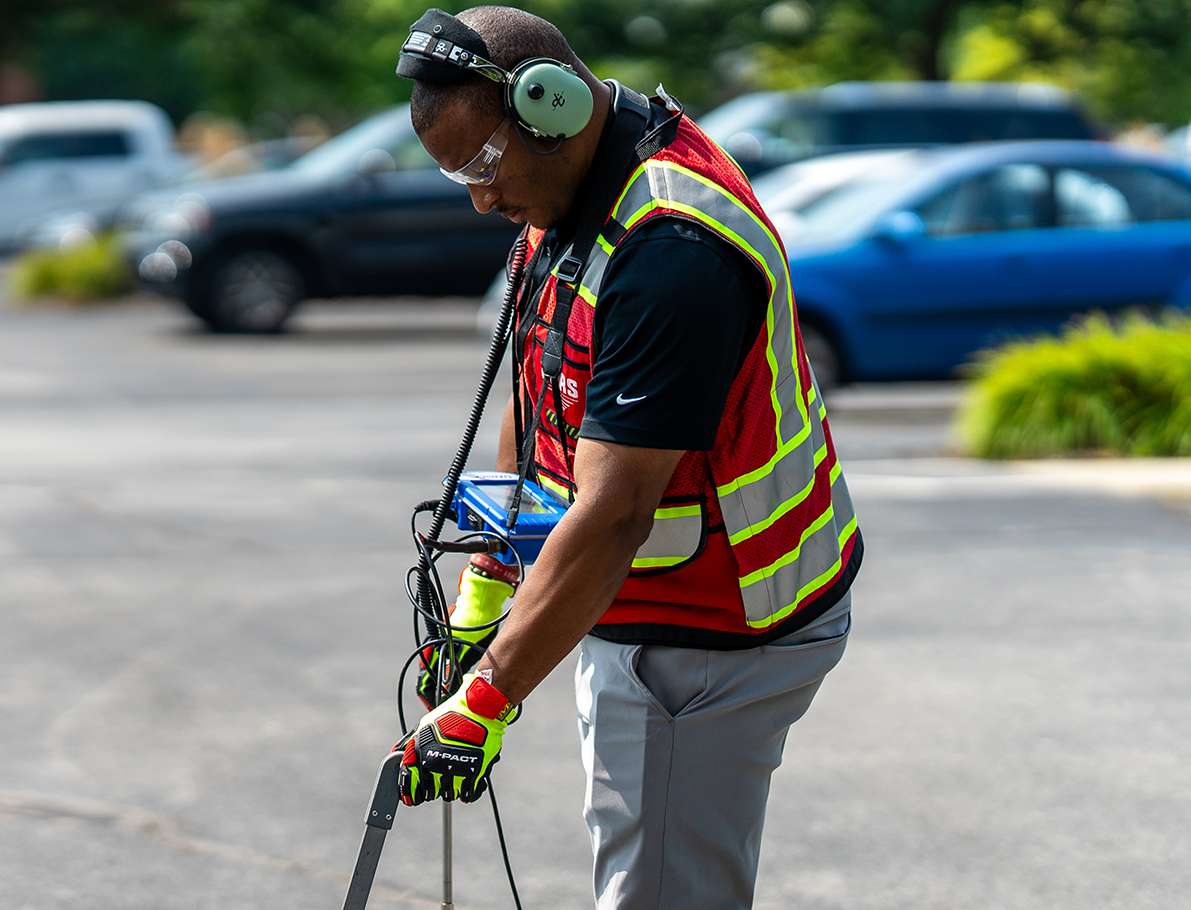
Active Leak Detection Services for Pressurized Water & Wastewater Treatment Systems
Finding leaks before they become emergencies reduces waste and unplanned service interruptions, limits water damage, and supports safer excavation decisions for construction and facility professionals. Leak detection services from GPRS help limit guesswork during repairs, and our routine water loss surveys give you proactive planning & maintenance control.
Proactive leak detection also helps align facilities and municipalities with the ASCE’s emphasis on aging assets and water loss affecting utility finances and system resilience.
GPRS Professional Leak Detection Services Explained


.svg)






.svg)


How a GPRS Water Loss Survey Works
Your GPRS Project Manager will perform a pre-job site walk with you to assess the scope of work
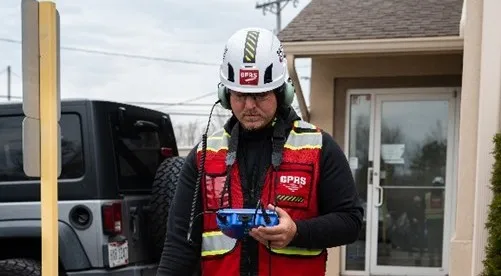
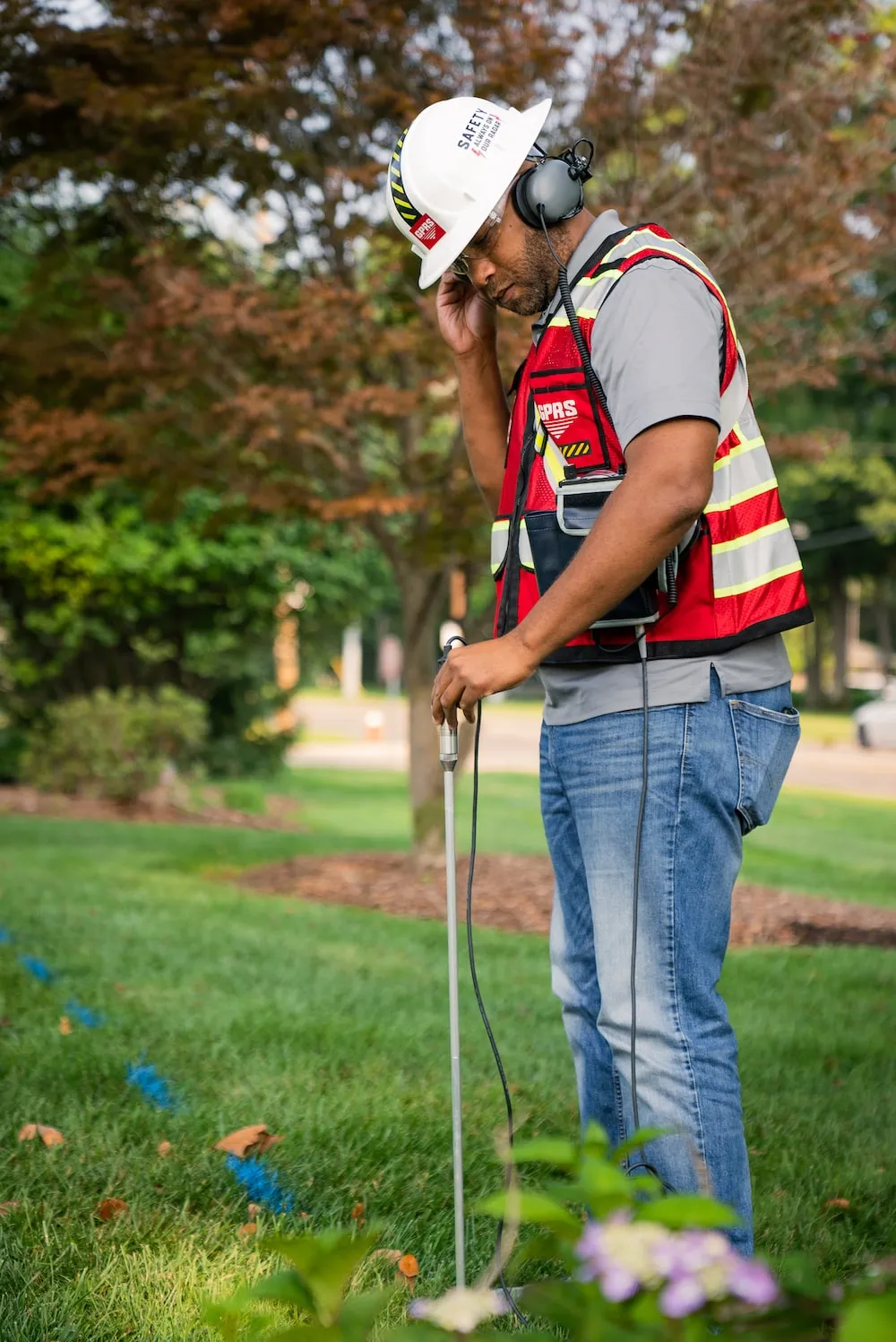
The PM will then assess your pressurized subsurface water systems by applying acoustic leak detection and leak correlator detection, and may utilize ground penetrating radar (GPR), an electromagnetic locator (EM), and other technologies to locate the water lines and investigate potential leaks
They will then zero-in on and pinpoint any detected leaks & mark them on the surface
They may also map your water lines and any other utilities within your system boundaries, depending on the scope of work
A post-job site walk will occur where you willsee the immediate leak locations and mark-outs
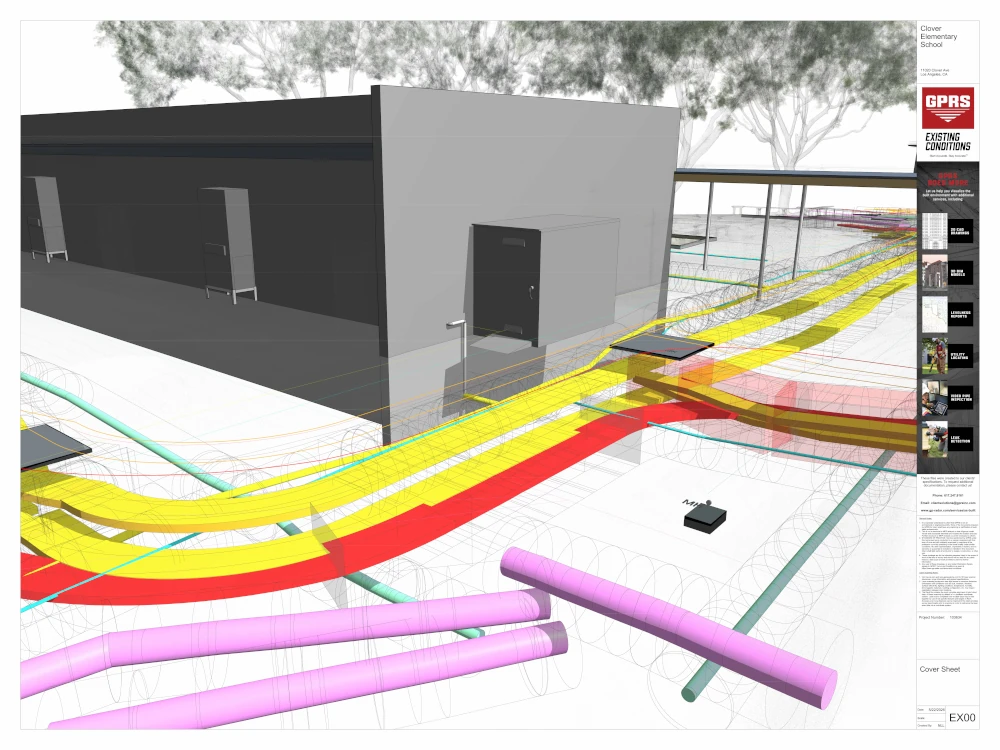
Your PM will provide you with a report, a CAD drawing, and a digital map of your lines and detected leaks for planning, targeted repair, and maintenance

How Much Do GPRS Leak Detection Services Cost?
The cost for commercial leak detection services varies depending on your location, type of water system, and how many linear feet of pipe will need to be assessed. Costs can vary between a few hundred to several thousand dollars depending on those factors because a highly trained leak detection professional – like a GPRS Project Manager – spends hundreds of hours training their ears and eyes to pinpoint commercial water line leaks, and becoming expert at utilizing sensitive, expensive equipment to do so.
Pressurized Water Pipe Leak Detection Methods


How to Trace a Water Leak: Practical Indicators & Process
The immediate signs of a water leak in commercial and municipal systems include unexplained consumption increases, pressure drops, intermittent pump cycling or the need for additional jockey pumps, localized settlement, or persistent wet areas that do not match drainage patterns.
The worst-case scenarios for an undiscovered municipal or commercial leak include internal erosion, soil piping, concrete damage, cavitation (void formation) under foundations or roadways, and sink holes.
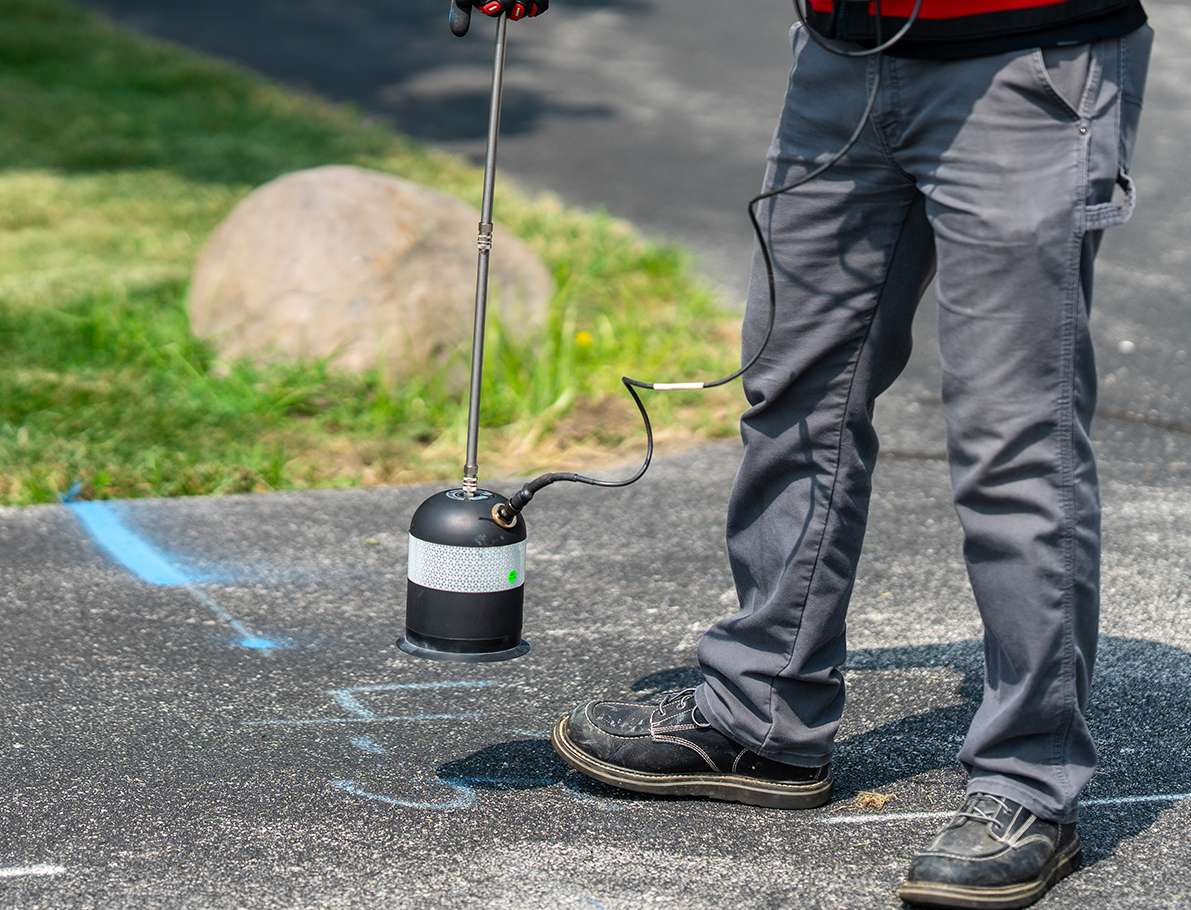
GPRS commercial leak detection processes can typically be broken into six steps:
Choosing a Leak Detection Company Near You – Call GPRS
The GPRS Difference – Accuracy & Professionalism Nationwide
GPRS Project Managers provide a consultative approach that relies on their certification in Subsurface Investigation Methodology (SIM), a specific set of processes that combines multiple locating technologies and field experience to deliver consistent, repeatable results nationwide. SIM + our nationwide team of Project Managers are how we discover and deliver the information you need for safer excavation, leak detection, and preventing non-revenue water loss.
If you are searching for a professional leak detection company, prioritize providers that combine acoustic and leak correlator detection methods with subsurface utility locating, and that deliver mapped results your teams can build from.
.webp)
.webp)
.webp)
///WHAT IS NON-REVENUE Water
At least two trillion gallons of water – enough to fill up 3.28 million Olympic-sized swimming pools – is lost from underground water pipes every year.
The American Society of Civil Engineers (ASCE) estimates more than $2 billion is lost annually to aging and defective U.S. plumbing and water treatment infrastructure.
WATER & SEWER DAMAGE AWARENESS WEEK
.svg)
From Reactive to Proactive: safe, clean, and profitable Water and sewer systems
.svg)
ANNUAL SAFETY WEEK THAT FOCUSES ON:
.svg)
.svg)

.svg)
.svg)


Let’s Get to Work
We deliver 99.8% accurate utility locating and concrete imaging, construction-grade 3D laser scanning, NASSCO sewer inspections, pinpoint leak detection, and CAD/BIM services customized to your project needs. All our findings are delivered via Sitemap® (patent pending), our cloud-based infrastructure management GIS platform.
///FREQUENTLY ASKED QUESTIONs
- More than 2 million miles of underground water transmission and distribution lines are operated by nearly 150,000 public water systems across the U.S.
- The ASCE’s 2025 Infrastructure Report Card assigns drinking water infrastructure a C- grade, and cites an estimated $625 billion over 20 years needed to ensure safe drinking water.
- Water loss (aka, non-revenue water) is a direct operational and financial risk. The ASCE reports approximately 33.3 trillion gallons are lost annually, translating to more than $187 billion in lost revenue.
- Regularly scheduled water loss surveys and targeted repairs are core best practices for reducing non-revenue water and preventing infrastructure degradation that may not surface until failure.
The short answer is, circa 2024, you can expect to spend between $1,400 -$1,600 to rent professional leak detection equipment and approximately $35,000 to own and operate acoustic and leak correlator equipment. Those costs include minimal training. A professional with a well-trained ear can save you thousands in detection, potholing, and excavation costs.
A professional acoustic leak detector from GPRS is trained in Subsurface Investigation Methodology (SIM). Our Project Managers have more than 80 hours of classroom training and 320 hours of mentored field training in locating and mapping utilities, finding PT cables, conduit, and other concrete reinforcements, mapping & scoping water and sewer lines, and more. SIM is why our PMs have maintained a 99.8% accuracy rate on utility locating and concrete scanning since 2017. Read more about the costs of leak detection.
How long it takes to find your leak depends on the system size, complexity, and access conditions. A standard survey of a small facility or municipal segment may take several hours, while larger networks can require multiple days. GPRS optimizes efficiency through pre-survey planning and site walks, real-time data collection, and advanced equipment, minimizing disruption and ensuring timely reporting.
Hear about how we found a 500,000 gallon per day leak straight from the Project Manager who did it.
Water and Sewer Damage Awareness Week, or WSDAW, is sponsored exclusively by GPRS in the last week of October to help facilities, commercial real estate management companies, water & wastewater utility managers, municipalities, and industries learn how to protect and maintain their water, storm and sanitary sewer systems against aging, inflow/infiltration, and non-revenue water loss, while creating proactive best practices to repair and maintain their water and wastewater infrastructure.
All WSDAW talks are free. We’ll send our water & wastewater experts to your office, site, school, or facility anywhere in the U.S. to bring this valuable education to your teams.
The program is approved for 1 Engineer CPC/PDH Credit forthose in Maryland, New Jersey, and New York State.
GPRS identifies and pinpoints leaks using a combination of complementary technologies and processes: acoustic leak detection, leak correlators, sondes and other methods. Acoustic sensors detect sound frequencies emitted by pressurized leaks in water or gas lines. Correlators analyze time delays between grounded sensors to help pinpoint leak locations. These methods are non-invasive and highly accurate for both pressurized and non-pressurized systems.
Leak surveys can be conducted with specialized acoustic microphones, ground sensors, and digital leak correlators. Acoustic tools identify leak-generated noise, while correlators calculate leak positions based on signal timing.GPRS may also integrate GPS and GIS mapping to document findings with spatial accuracy, supporting long-term asset management and repair planning.
An annual leak survey is a scheduled inspection of water infrastructure to identify and document leaks. These surveys are critical for regulatory compliance, environmental protection, and cost control. Regular assessments reduce water loss, prevent hazardous conditions, and extend asset life. For municipalities and facilities, annual surveys support proactive maintenance and budget forecasting.