.svg)

.svg)

Hotter Summers, Same Deadlines. Here’s How to Keep Your Construction Teams Safe
Every summer, the same risks return to construction sites across the country. The temperatures climb. The workday starts earlier and ends later. Physical demands that were manageable in April become dangerous by July. And somewhere in that accumulated heat load, the warning signs get missed until someone is already in trouble, unless crews have a plan in place.
This year, the pattern has been especially punishing. A record heat dome parked itself over the central and eastern U.S. through late June, and forecasters expect that heat to shift west through mid-July, bringing triple-digit readings to southwest job sites and pushing Denver and Salt Lake City temperatures into the 90s. Wildfire smoke, reduced air quality, and dry conditions will compound the basic hazard well into late July, as early-season monsoon storms tend to bring lightning and wind without much rain, a combination that fuels new fires rather than easing them. Midwest and east coast crews face a different hazard as the dome breaks down: storms and localized flooding, which carry their own jobsite risks around excavation stability and equipment safety.
Heat-related illness is one of the most studied hazards in occupational safety, and it is also one of the most preventable. According to OSHA, thousands of outdoor workers become sick from heat exposure each year. Some of those cases are fatal, despite the fact that heat illness, unlike many jobsite hazards, almost always announces itself in advance. The body signals distress well before a crisis point. The question is whether anyone is paying attention.
For construction teams operating in the field this summer, the answer to that question starts with preparation: written plans, trained supervisors, adjusted schedules, and a culture that treats hydration and rest as non-negotiable rather than suggestions. It also means taking seriously a category of summer risk that often gets overlooked in heat illness conversations, the compounding effect that heat fatigue has on situational awareness during excavation, coring, and other intrusive work where a subsurface strike can turn a rough afternoon into a catastrophe. GPRS brings that message directly to jobsites each year as a sponsor of Construction Safety Week, where our safety experts walk crews through both of these risks in person.
Why Construction Workers Face Elevated Heat Risk
Not every outdoor job carries the same heat exposure. Construction sits near the top of the risk profile for several reasons that compound each other: sustained physical exertion, direct sun exposure, heavy or impermeable PPE, concrete and asphalt surfaces that radiate absorbed heat, and working environments where taking a break can feel like falling behind on a deadline.
The elevated risk extends beyond heat illness specifically. Paul Haining, chief environmental safety and health officer for Skanska USA, noted in a Construction Dive report that data indicates workplace injuries surge across the board during summer months, not only from heat exposure but from the compounding effects of fatigue, inattention, and accelerated production schedules. Skanska accounts for these heightened risks through construction work plans and daily hazard analysis, prioritizing mitigation before conditions deteriorate.
The Texas Department of Insurance’s Division of Workers’ Compensation documented that Texas alone saw nearly half of all reported job-related heat ailments in a single year concentrated among construction and excavation workers. That proportion reflects something real about the demands of the work: the labor is heavy, the breaks are infrequent, and the pressure to make production keeps crews pushing past the point where their bodies are signaling them to stop.
Heat-related illness develops on a spectrum. Heat cramps and heat rash are early warning signs. Heat exhaustion follows the early warning signs, characterized by heavy sweating, weakness, a rapid pulse, nausea, and dizziness. Heat stroke, the most severe and life-threatening stage, occurs when the body’s cooling system fails entirely, producing a core temperature that can cause permanent organ damage within minutes. OSHA notes that mental dysfunction, confusion, disorientation, and loss of consciousness mark the onset of heat stroke and require immediate cooling and emergency response.
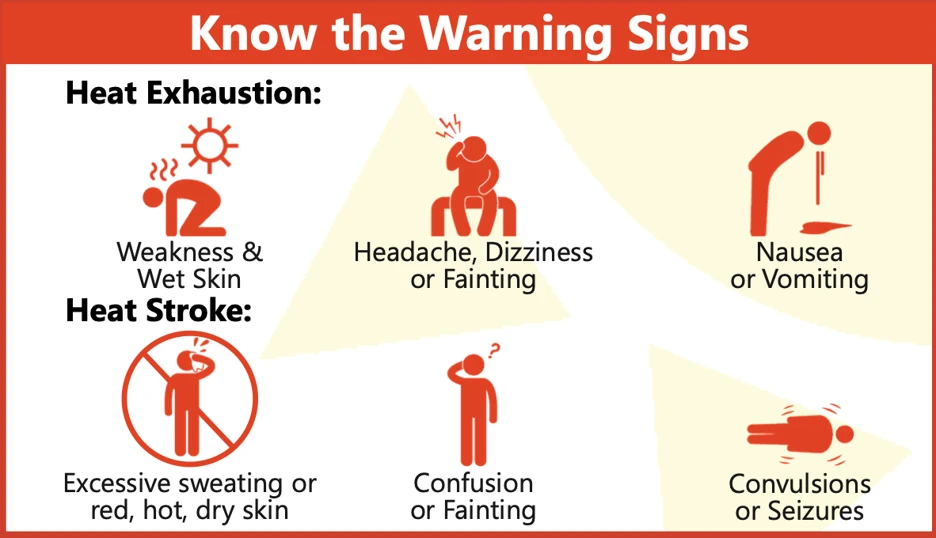
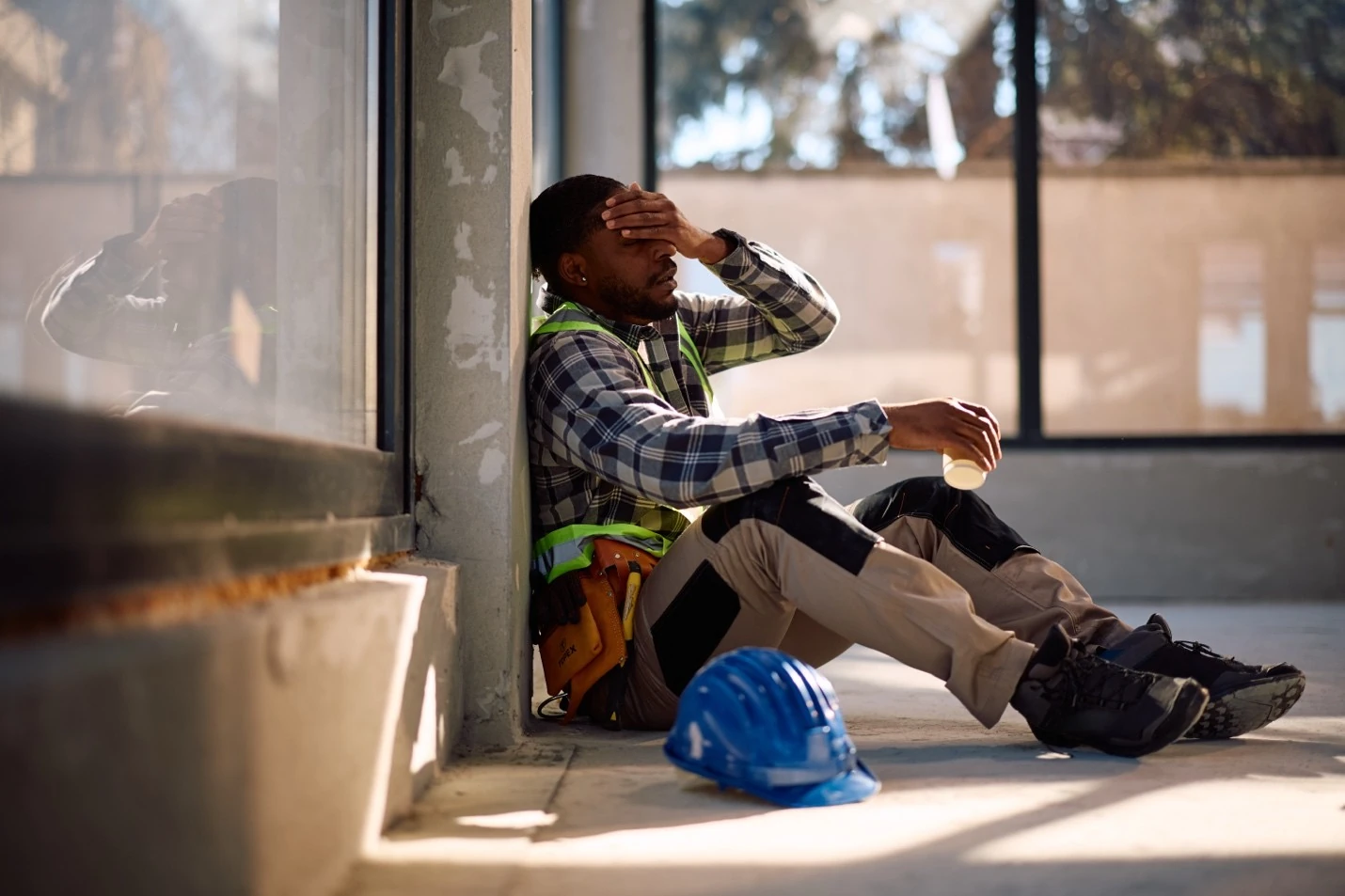
What makes heat illness especially treacherous on construction sites is that its early symptoms are easy to rationalize. A crew member who feels dizzy might attribute it to skipping breakfast. Someone running a rapid heart rate might chalk it up to working hard. Supervisors watching for a visible crisis will miss it if they’re not looking for the subtle signs that precede one.
Acclimation: The Variable That Catches Teams Off Guard
One of the most consistent findings in occupational heat safety research is that the first days of exposure to high temperatures are the most dangerous, regardless of a worker’s fitness level or field experience. OSHA identifies lack of heat acclimatization as a primary risk factor for heat illness. The body needs time, typically one to two weeks of graduated exposure, to develop the physiological adaptations that make sustained work in heat manageable.
This matters at the start of summer, when crews are returning from schedules that didn’t involve sustained heat exposure. It also matters mid-season when a new hire joins a crew that has been working outdoors for months and has already built tolerance. That new worker is operating in the same heat as everyone else but without the physiological buffer the rest of the crew has developed.
The American Institute of Constructors recommends that employers treat acclimation as a structured process: shorter shifts and reduced workloads during initial exposure, more frequent rest breaks, and active monitoring of new or returning workers during the first week. It is not enough to tell a new crew member to drink water and keep up. Building heat tolerance takes time, and the window before tolerance develops is when the risk is highest.
The preparation window should start well before summer arrives. Frank Trujillo, vice president of safety for Miller & Long Concrete Construction, begins the education process in March, according to the CD report. “You’re getting everyone in that mindset of what’s to come,” he said. That early start also provides time to identify workers with underlying health conditions that can increase susceptibility to heat illness, without crossing into private medical history territory.
The Core Practices
Summer safety on a construction site comes down to a set of practices that are well understood, consistently recommended by OSHA, NCCER (National Center for Construction Education and Research), NRCA (National Roofing Contractors Association), and state-level occupational safety agencies, and still not universally implemented. The reason they bear repeating is that gaps in implementation are where injuries happen.
Water, consistently and in sufficient volume. The Texas Department of Insurance recommends at least one pint of water per worker per hour as a baseline hydration floor. Water stations should be positioned throughout the worksite so that accessing them does not require walking a significant distance or disrupting the flow of work. The American Institute of Constructors recommends a drink every 15 to 20 minutes and advises reducing sugary beverages, which can accelerate fluid loss rather than replace it. NCCER recommends encouraging workers to sip rather than gulp, which produces more sustained hydration than consuming large quantities at once. Frozen water bottles introduced at the start of a shift provide cool hydration well into the afternoon.
Electrolyte drinks serve a purpose that water alone does not cover on high-exertion days: replacing the sodium, potassium, and magnesium lost through sustained sweating. For workers doing heavy physical labor in extreme heat, plain water without any electrolyte replacement can contribute to a condition called hyponatremia, where sodium levels drop too low. Rotating water with electrolyte beverages on the hottest days addresses that risk.
Some firms take hydration monitoring a step further. Turner Construction posted urine color charts in jobsite bathrooms on one project in San Diego, giving workers a passive, on-the-spot way to gauge whether they needed to hydrate during breaks. It is a simple, low-cost intervention that works precisely because it meets workers where they are, without requiring supervisors to ask or workers to self-report.
Structured rest breaks calibrated to temperature. The CDC’s heat stress break schedule, referenced by both NCCER and NRCA, recommends a 15-minute rest period for every 45 minutes of heavy work once ambient temperature reaches 95 degrees Fahrenheit. Those intervals shorten as the temperature rises. Project managers and foremen should know these thresholds and treat them as operational parameters, not optional targets.
Rest breaks are only effective if the rest environment actually allows the body to cool. Shade structures, air-conditioned trailers, and covered break areas are meaningful investments in crew performance and safety. A worker sitting in the sun during a scheduled break has not actually recovered from the heat load of the previous work interval.
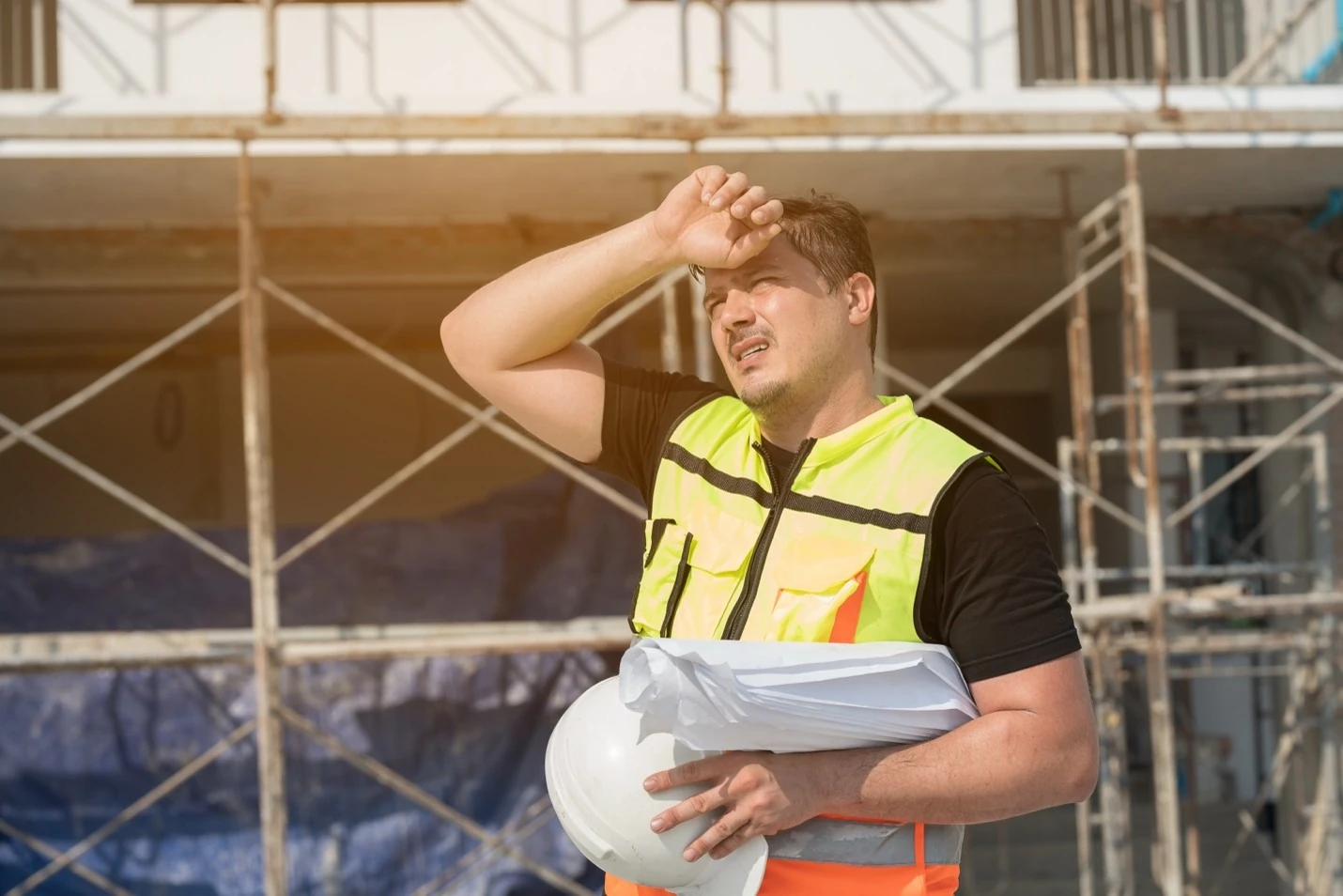
Modified scheduling around peak UV hours. OSHA recommends limiting strenuous physical activity during peak heat hours, typically 11 a.m. to 4 p.m. Scheduling heavy-exertion tasks for early morning and routing lower-demand or shaded work to midday can significantly reduce cumulative heat load across a shift. NCCER and NRCA both recommend shade canopies and work tents positioned near active work areas so workers can step into shade during brief pauses without formally breaking their work rhythm.
Greg Sizemore, vice president of workforce development for Associated Builders and Contractors, echoed the value of schedule adjustment. “What contractors are doing across the civil trades is they’re modifying their schedule to work in the cool of the evening or early in the morning before it gets too doggone hot out there.”
Appropriate clothing and PPE. NCCER notes that white, gray, red, and yellow clothing reflects heat most effectively, while dark colors absorb it. Lightweight, breathable, light-colored fabrics reduce heat absorption and allow for better sweat evaporation. Cotton, wool, and moisture-wicking polyester all perform better in heat than heavier materials. Hardhat sweatbands and cooling inserts are low-cost accessories that meaningfully reduce the heat load of required head protection. Cooling vests and wet neck towels provide active cooling for workers in high-intensity tasks or extended sun exposure.
The Texas Department of Insurance also recommends carrying spare shirts to replace sweat-soaked clothing mid-shift. Wet clothing against the skin can impair the evaporative cooling that sweat is designed to produce.
Active monitoring by supervisors. The buddy system, where workers are paired and tasked with watching each other for early signs of heat illness, extends the monitoring capacity of any supervisory team. Supervisors should know the symptom progression from early heat illness to heat stroke, understand which workers are most at risk (new employees, those with medical conditions, workers returning from time off), and have clear emergency protocols in place before the hottest days of summer arrive. OSHA recommends that heat illness prevention be incorporated into a broader safety and health program rather than treated as a seasonal add-on.
Consistent temperature and environment management. NCCER advises against frequently moving between air-conditioned indoor environments and outdoor heat. The significant temperature differential puts additional strain on the body and can increase vulnerability to heat illness. For workers whose tasks require them to move between environments, that transition should be managed thoughtfully rather than treated as an opportunity for a quick cool-down.
These practices carry a cost. Cooling stations, misters, shade structures, modified schedules, and expanded supervision all require resources. But the framing matters. As Sizemore put it in Construction Dive:
“We’ve got to really begin to use different words there. This is not an expense. This is not a cost to a contractor. This is an investment into workforce development. You can’t afford not to.” — Greg Sizemore, Vice President of Workforce Development, Associated Builders and Contractors
Turner’s Steve Spaulding made the same point more directly: the benefits of heat safety resources far outweigh any cost implication. The companies that treat heat safety as overhead tend to underinvest until an incident forces the conversation. The companies that treat it as workforce infrastructure tend to spend less overall, because they aren’t absorbing the downstream costs of illness, injury, lost productivity, and turnover.
The Overlooked Compounding Factor: What Heat Does to Situational Awareness
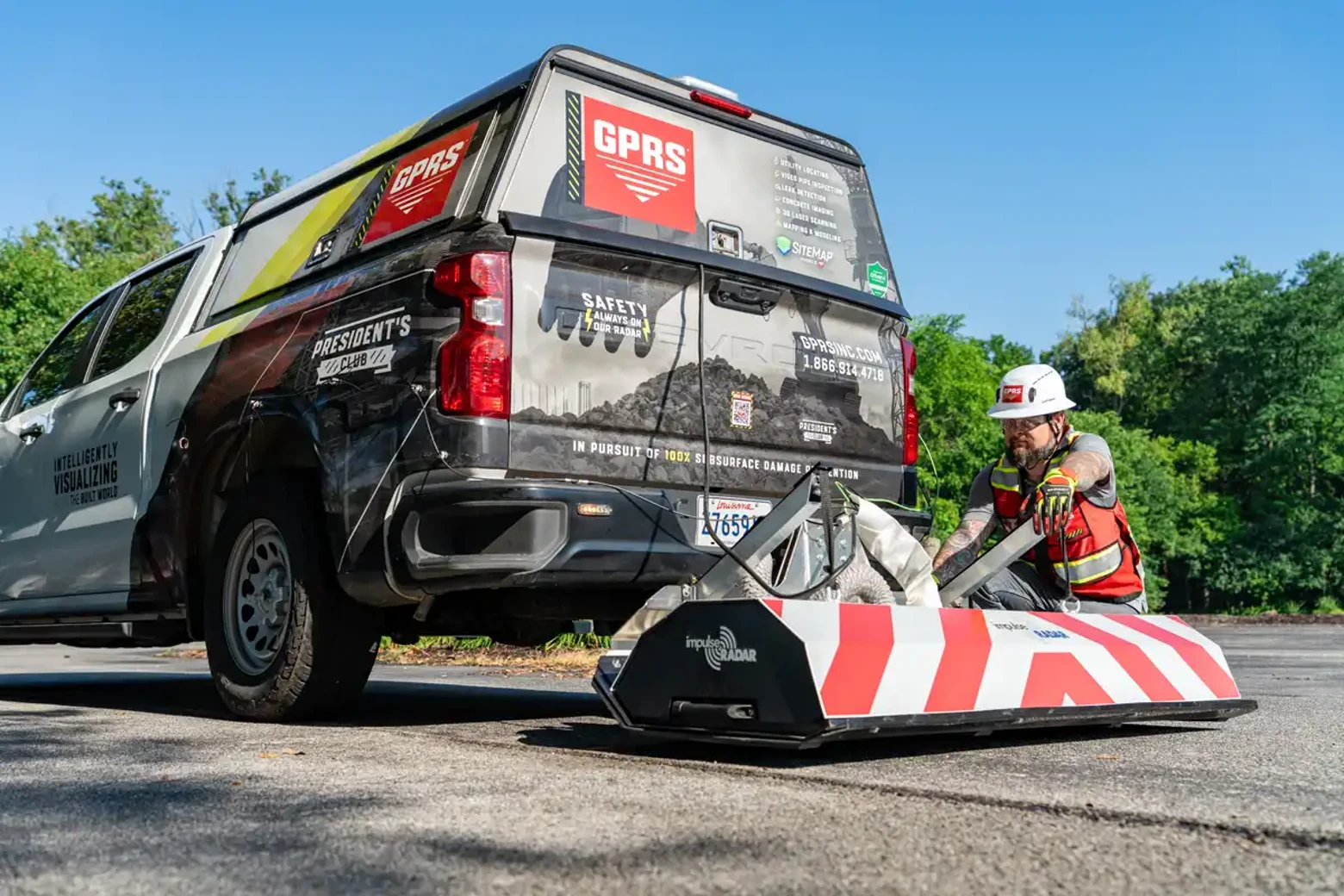
Heat safety conversations on construction sites tend to focus, reasonably, on physical symptoms: dehydration, cramps, exhaustion, heat stroke. What gets less attention is the cognitive effect of sustained heat exposure, and what that cognitive effect means in the context of intrusive groundwork.
OSHA’s guidance notes that heat stress can cause fine motor performance to deteriorate even in acclimatized individuals. Performance degradation under sustained heat load is not limited to physical capacity. Reaction time, decision-making, attention to detail, and spatial judgment all decline as heat exposure accumulates. A crew member who has been working in 95-degree heat since 7 a.m. is not operating with the same cognitive capacity at 1 p.m. that they had at the start of the shift, even if they feel fine.
That reality becomes especially significant during excavation, directional drilling, concrete coring, and any other intrusive work where the margin for error is defined by what lies beneath the surface. A misread mark. A moment of inattention. A miscommunication about a utility’s confirmed location. Under normal conditions, experienced crews catch these gaps before they become incidents. Under heat-accumulated fatigue, the probability that they won’t goes up.
According to the Common Ground Alliance, utility strikes happen with alarming frequency across the United States. The consequences range from service disruptions and project delays to injuries, fatalities, and significant environmental damage. Heat does not cause utility strikes on its own. Inaccurate or inaccessible subsurface information is the more fundamental cause, but it creates the conditions under which human error becomes more likely and harder to catch before it becomes irreversible.
This is where the connection between summer safety and subsurface damage prevention becomes concrete. A comprehensive summer safety plan for any team conducting intrusive work should include the same investment in accurate pre-excavation planning that it does in hydration stations and modified schedules. The best practice is not just managing heat, it is ensuring that the work being done in the heat is grounded in the most accurate subsurface information available, so that a lapse in attention does not translate into a catastrophic strike.
GPRS, SiteMap®, and the Case for Pre-Excavation Clarity
On a late July afternoon, when a crew has been working since dawn and attention is stretched thin, the difference between a site where subsurface conditions are fully documented and AR-accessible and one where a crew is relying on 811 corridor markings and aging paper as-builts is not abstract. It is the margin between a safe dig and a line strike with consequences that no summer safety plan is equipped to address after the fact.
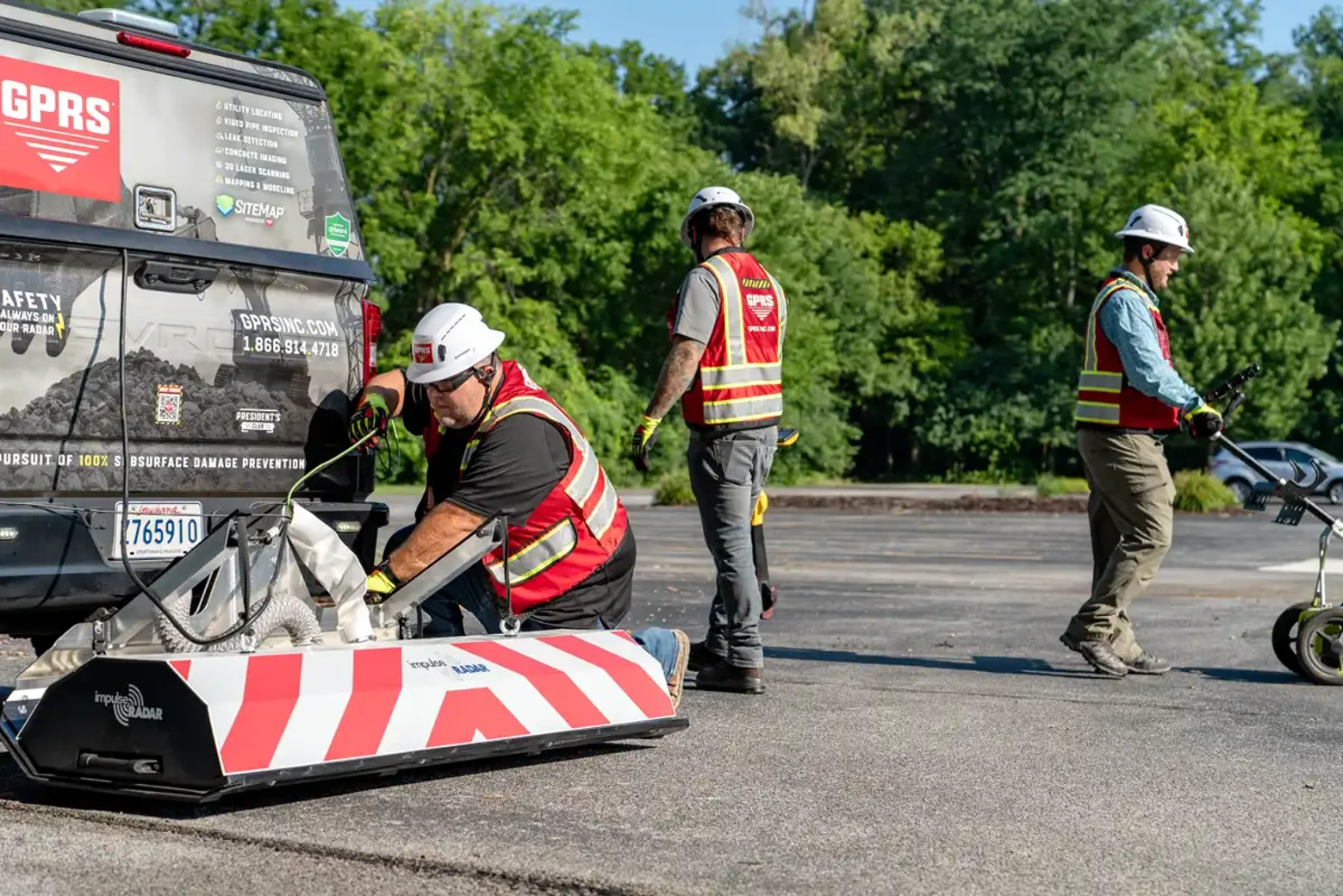
GPRS provides utility locating, concrete scanning, 3D laser scanning, video pipe inspection, and mapping and modeling services to project teams across all 50 states. The company’s mission, to Visualize The Built World®, is built on the principle that the clearest path to safe and efficient construction runs through accurate knowledge of what exists beneath the surface before intrusive work begins.
GPRS Project Managers use ground penetrating radar (GPR), electromagnetic (EM) locating, and other technologies under the company’s Subsurface Investigation Methodology (SIM) framework to locate buried utilities, scan concrete for embedded elements, and produce accurate digital maps of subsurface infrastructure that remain accessible to project teams throughout the life of a project.
Since 2017, GPRS Project Managers have maintained a verified at-fault incident rate of less than 0.2% across more than one million utility locating and concrete scanning jobs nationwide. GPRS Project Managers are also certified in Subsurface Investigation Methodology (SIM), the industry-leading training and certification standard for technicians conducting non-destructive underground utility locating and concrete scanning.
Those results feed directly into GPRS’ cloud-based GIS platform, which aggregates utility maps, CAD/BIM files, 3D point clouds, virtual tours, NASSCO-certified video pipe inspection reports, and other infrastructure data into a centralized environment accessible 24 hours a day from any device.
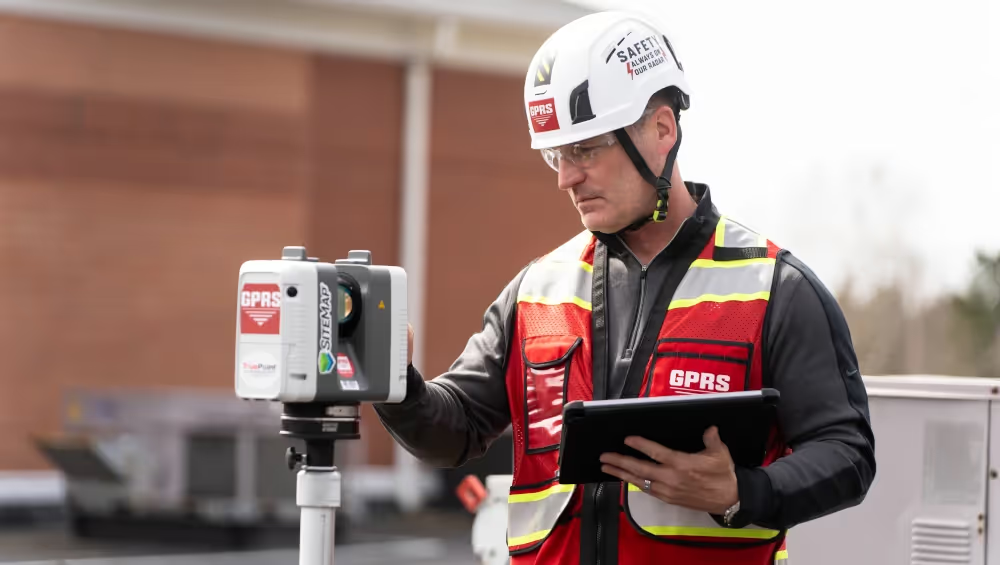
The SiteMap® Mobile application also extends certain data into the field through an augmented reality interface that overlays color-coded utility lines onto a live view of the physical jobsite, giving crews the ability to see where buried utilities are relative to their planned work location. This is especially useful when paint has been eroded or faded by the sun.
What a Complete Summer Safety Plan Looks Like
A complete summer safety plan for a construction team conducting field work addresses the full range of risk on an active jobsite: the physiological risks of working in the heat, and the compounding operational risks that heat introduces into intrusive work environments.
On the heat prevention side, that means written protocols for hydration, modified scheduling, rest break frequency calibrated to temperature, supervisor training on heat illness recognition and emergency response, acclimation plans for new and returning workers, and appropriate PPE and cooling equipment in the field.
On the subsurface safety side, that means commissioning professional utility locating and concrete scanning services before any excavation, coring, or intrusive drilling begins, and ensuring that the results are accessible to the field crew in a format that does not require them to carry a binder or walk back to a trailer to consult a PDF.
Contact GPRS to learn how utility locating, concrete scanning, and SiteMap services can support a safer, better-documented jobsite this summer.
Frequently Asked Questions: Summer Safety Best Practices for Construction Teams
What is the most common heat-related illness in construction?
Heat exhaustion is the most frequently reported heat-related illness among construction workers, characterized by heavy sweating, weakness, rapid pulse, nausea, and dizziness. Left unaddressed, heat exhaustion can progress to heat stroke, which involves a failure of the body’s cooling system and can cause permanent organ damage or death. Both conditions are preventable with proper hydration, rest breaks, modified scheduling, and active supervisor monitoring.
How much should construction workers drink in the summer?
The CDC recommends at least one pint of water per hour as a baseline for outdoor workers in summer heat. For workers performing heavy physical labor in extreme temperatures, additional electrolyte replacement through sports drinks or electrolyte supplements helps replace minerals lost through sustained sweating. Workers should be encouraged to sip water consistently throughout the shift rather than consuming large quantities at once.
What are the early warning signs of heat illness on a construction site?
Early warning signs include excessive sweating, pale or flushed skin, fatigue, dizziness, headache, muscle cramps, nausea, and a rapid or weak pulse. These symptoms indicate that the body is struggling to manage heat load and that the worker needs to stop physical activity, move to a cool or shaded environment, and hydrate. A worker who cannot keep fluids down, loses consciousness, or shows signs of confusion requires emergency medical response.
What temperature requires mandatory rest breaks in construction?
The CDC’s heat stress break schedule recommends a 15-minute rest period for every 45 minutes of heavy work once ambient temperature reaches 95 degrees Fahrenheit, with rest intervals becoming more frequent as temperature continues to rise. OSHA recommends that employers consider limiting strenuous outdoor activity during peak solar hours, and that supervisors monitor conditions continuously rather than waiting for a set threshold to implement protective measures.
How does heat affect excavation and intrusive work safety?
Sustained heat exposure degrades both fine motor performance and cognitive function, including reaction time, attention, and spatial judgment. For workers conducting intrusive ground operations like demolition, excavation, directional drilling, concrete coring, and soil boring, that cognitive degradation increases the probability that subsurface hazards are missed or misread. Pre-excavation utility locating by a professional service like GPRS, combined with field-accessible subsurface visualization through SiteMap Mobile, reduces the consequence of heat-related attention lapses by ensuring that the crew’s positional awareness of buried utilities does not depend entirely on in-the-moment judgment.
What is the best way to prevent a utility strike during summer excavation?
The most reliable protection against a utility strike on any project, in any season, is accurate pre-excavation subsurface data collected and delivered by a qualified utility locating professional. GPRS provides utility locating services using GPR, electromagnetic locating, and complementary technologies under the SIM framework, producing utility maps accurate to a verified at-fault incident rate of less than 0.20% since 2017. That data is accessible through SiteMap, including an augmented reality mobile interface that overlays utility locations directly onto the field environment. In summer conditions, where heat fatigue reduces crew situational awareness, this level of pre-excavation preparation is the most effective single measure available for preventing a line strike.